There are no comments on this post yet
Maersk slides into ocean losses as container shipping downcycle forces 1,000 job cuts
104
0
The container shipping downturn is tightening its grip. Danish giant Maersk has reported an ocean division loss for the fourth quarter of 2025 and announced 1,000 job cuts, underscoring how rapidly the post-boom market is unwinding, Splash 247 reports.
Maersk said its ocean segment posted an EBIT loss of $153 million in Q4 2025, reversing a $567 million profit in the previous quarter and a far cry from the $1.6 billion EBIT recorded a year earlier. At the same time, the group unveiled a DKK 6.3 billion ($1 billion) share buyback, signalling confidence in its balance sheet despite worsening market conditions.
CEO Vincent Clerc described 2025 as a year marked by continued disruption to global supply chains, driven by what he called “evolving geopolitics.” But the numbers point to a more structural challenge: freight rates are falling while capacity keeps rising.
Maersk is not alone. Japan’s Ocean Network Express (ONE) recently reported an operating loss of $84 million and a net loss of $88 million for the same quarter, with CEO Jeremy Nixon warning of a “challenging operating environment.” Analysts say the pressure is likely to intensify.
The longer-term outlook looks no less demanding. Drewry , in its 2026 Financial Health Check, argues the sector is approaching a “structural reset” as freight rates normalise, pandemic-era profits fade, and the industry digests its heavy newbuilding orderbook. The consultancy urges liners to abandon boom-time thinking in favour of tighter financial and operational control.
A similar message comes from AlixPartners in 2025, which has called on carriers to enforce strict capital discipline. With freight rates drifting back toward pre-Suez crisis levels, the firm says liners must cut costs aggressively while managing capacity through slow steaming and vessel idling. Strong balance sheets offer protection, but only if past boom-and-bust mistakes are avoided.
Much now hinges on geopolitics. A broad return to the Suez Canal would effectively release 6–8% of global container capacity, according to Xeneta, adding further pressure to rates. That uncertainty is reflected in Maersk’s own guidance: the group forecasts 2026 EBIT ranging from a $1.5 billion loss to a $1 billion profit, depending largely on the timing of a gradual reopening of Red Sea routes.
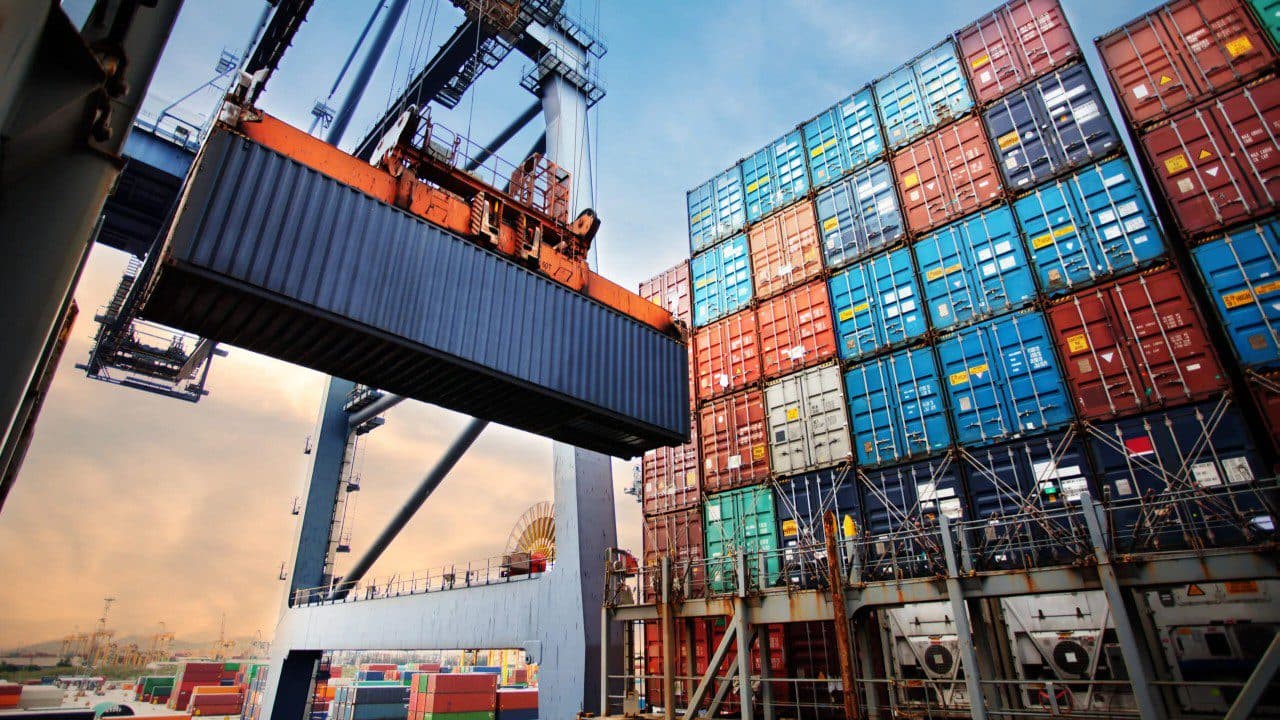
Picture: MOLPIX/Shutterstock.com
0
0