There are no comments on this post yet
Nearly half of seafarers may quit within five years
201
0
Nearly half of the world’s seafarers may quit the industry within five years, according to a new World Maritime University (WMU) study reported by The Maritime Telegraph . Long working hours, limited shore leave and rising stress levels are putting the sustainability of the global maritime workforce at risk.
The report, In Search of a Sea-Life Balance in an Adverse Environment, was commissioned by the Officers’ Union of International Seamen (OUIS) and is based on survey responses from 4,372 seafarers across 99 nationalities. Crews from India, the Philippines and the United States formed a significant share of participants, offering a broad snapshot of conditions across major labour-supplying nations.
The findings show that seafarers work an average of 71.3 hours per week, well above safe rest limits. US-based crew reported even longer schedules, averaging close to 79 hours weekly, often without a full day off. Nearly 70% of respondents said their work patterns prevent proper rest and recovery, while port workloads and administrative pressure frequently eliminate any realistic chance of shore leave.
Stress levels at sea are also reaching alarming thresholds. Around one third of respondents were assessed as experiencing severe or potentially dangerous stress. Rather than traditional operational risks, seafarers identified ship inspections, paperwork, company communications and port-related duties as their main stressors. These pressures were closely linked to career exit plans: almost half of those intending to leave reported poor mental health, compared with significantly lower levels among those planning to remain at sea.
The situation appears especially acute among US seafarers. Only 40.2% said they intend to continue working at sea, while 65.3% of those preparing to exit the profession reported poor mental well-being. Frustration with safety management systems was also widespread, with many respondents describing SMS manuals as unrealistic, overly complex and excessively time-consuming.
WMU researchers warn that these trends could undermine crew retention, onboard safety and operational resilience across the shipping industry. As highlighted in recent reporting by Lloyd’s List , the growing gap between regulatory demands and life on board risks accelerating an already fragile crewing crisis.
Industry analysts stress that meaningful action is needed to reverse the trend. Better workload management, realistic safety procedures, enforced rest hours, mental health support and genuine access to shore leave are increasingly seen as critical measures to safeguard the future of the global seafarer workforce.
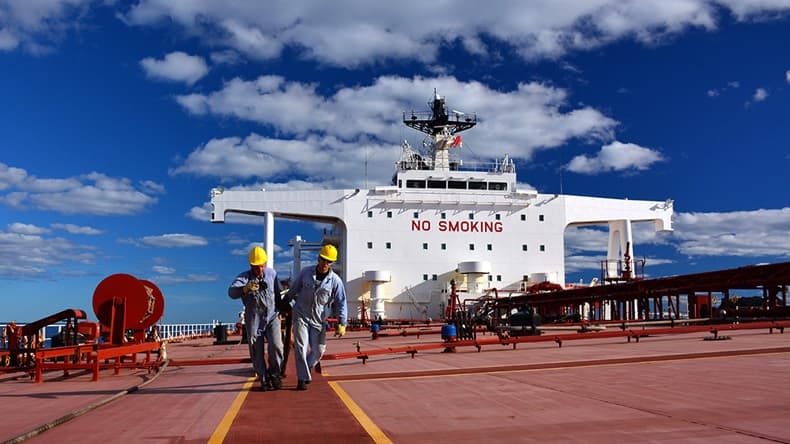
Picture: G-Valeriy/Shutterstock
0
0