There are no comments on this post yet
Record seafarer abandonment in 2025 exposes systemic crisis in global shipping
154
0
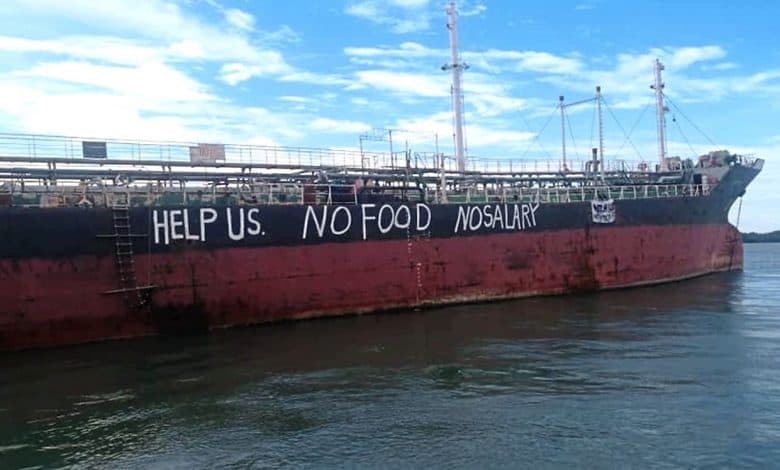
Seafarer abandonment surged to an all-time high in 2025, leaving 6,223 crew members stranded on 410 vessels worldwide, as reported by The Maritime Telegraph . New data show that the maritime industry has now set grim records for six consecutive years in ship abandonment cases, confirming that the problem has become deeply systemic rather than incidental.
Figures released by the International Transport Workers’ Federation (ITF) reveal a sharp deterioration compared to 2024. Ship abandonments rose by 31%, while the number of affected seafarers increased by 32%. In financial terms, crews were owed a total of $25.8 million in unpaid wages, with only $16.5 million recovered so far, leaving thousands without income, support, or a clear path home.
The ITF has openly condemned the situation. David Heindel, Chair of the ITF Seafarers’ Section, described the ongoing crisis as a “disgrace” to global shipping, warning that exploitative operators continue to profit while violating basic labour and human rights. The federation has urged the International Maritime Organization (IMO) to step up coordinated international action to eliminate abandonment practices.
Data show that Indian seafarers were the most affected in 2025, with 1,125 cases recorded. They were followed by Filipino (539), Syrian (309), Indonesian (274), and Ukrainian (248) crew members. Regionally, the Middle East remained the epicentre of abandonments, with Türkiye and the United Arab Emirates reporting the highest number of incidents. Vessels sailing under Flags of Convenience (FOC) accounted for 82% of all cases, reinforcing long-standing concerns raised by maritime regulators and labour bodies.
According to the ITF, abandonment is defined not only by unpaid wages exceeding two months, but also by refusal to cover repatriation costs or the failure to provide essential maintenance and welfare support. Maritime labour experts, including specialists cited by the International Labour Organization (ILO) , warn that the prolonged stress, financial hardship, and psychological toll are driving skilled seafarers away from the profession.
To address the crisis, the ITF is calling for stricter enforcement measures. These include mandatory disclosure of beneficial ship ownership as a condition for flag registration, national blacklists targeting repeat offenders, and deeper government investigations into the misuse of Flags of Convenience. India has already introduced ship blacklisting measures through its Directorate General of Shipping, while similar reviews are currently underway in the United States.
Industry analysts caution that without decisive regulatory intervention and accountability from shipowners, seafarer abandonment will remain a persistent threat – not only to crew welfare, but also to the long-term sustainability of the global maritime workforce.
Picture: NUSPM
0
0