There are no comments on this post yet
Piracy in Southeast Asia surges in 2025 as Malacca strait becomes global hotspot
198
0
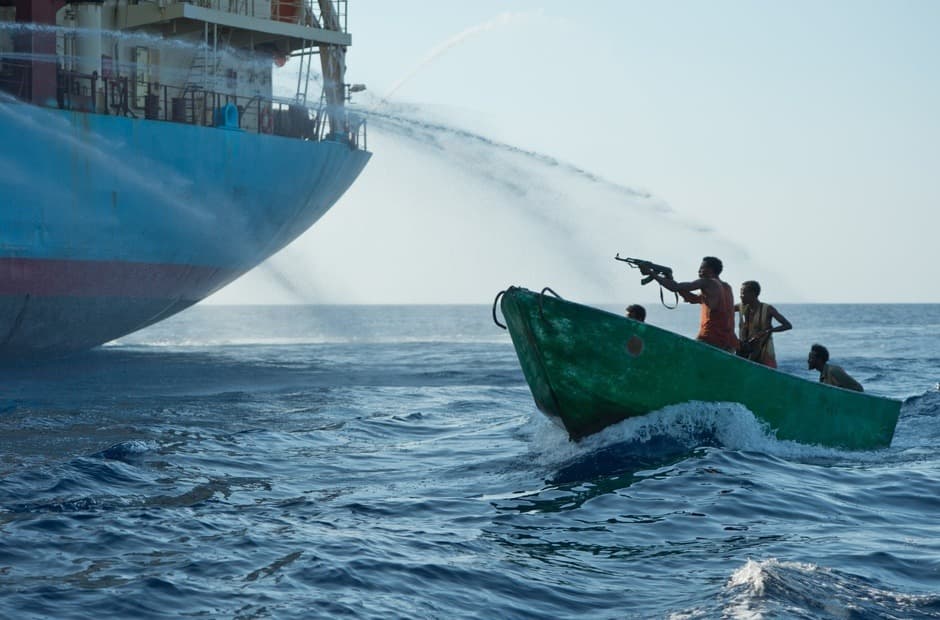
Piracy in Southeast Asia rose sharply in 2025, underscoring growing maritime security risks in one of the world’s busiest shipping corridors. As reported by The Maritime Telegraph , new data from the ReCAAP Information Sharing Centre shows a clear year-on-year escalation in piracy and armed robbery incidents across the region.
In total, 132 incidents were recorded in Asian waters in 2025, up 23% from 107 cases the previous year. The Straits of Malacca and Singapore (SOMS) remained the epicentre of maritime crime, accounting for 108 incidents, or 82% of all reported cases. This marks a 74% increase compared with 2024 and represents the highest piracy level in the area since systematic monitoring began in 2007.
ReCAAP data indicates that piracy activity in SOMS peaked early in the year. Around 87% of all incidents occurred between January and July 2025. The situation began to stabilise after Indonesian authorities arrested several suspected offenders in July and August. As a result, reported incidents dropped significantly in the second half of the year, with only 12 cases recorded in the fourth quarter, the lowest quarterly figure since 2021.
From a regional perspective, piracy in Southeast Asia remained largely a coastal and territorial issue. Of the 132 incidents, 130 took place in internal, archipelagic or territorial waters, while just two cases were reported on the high seas. ReCAAP also noted a decline in incidents in Bangladesh, Indonesia outside SOMS, and the Philippines, while India experienced a slight increase.
The Sulu-Celebes Seas continued to show signs of long-term improvement. No crew abductions were reported in 2025, extending a five-year period without such incidents. The last known abduction in the area occurred in January 2020. However, the threat has not disappeared and that vessels should remain cautious.
Most piracy cases in the Straits of Malacca and Singapore involved low-level theft. Incidents classified as CAT 3 and CAT 4 dominated, while more serious CAT 2 cases accounted for a smaller share than in 2024. This trend suggests opportunistic crime rather than organised, violent attacks, although the frequency remains a concern for ship operators.
Picture: VesselFinder
0
0