
Andriy B. (Master, 11 months at sea)
0
1
💬
Everything and Always remains unchanged in this area for all ships of the International Merchant Fleet...
0
1
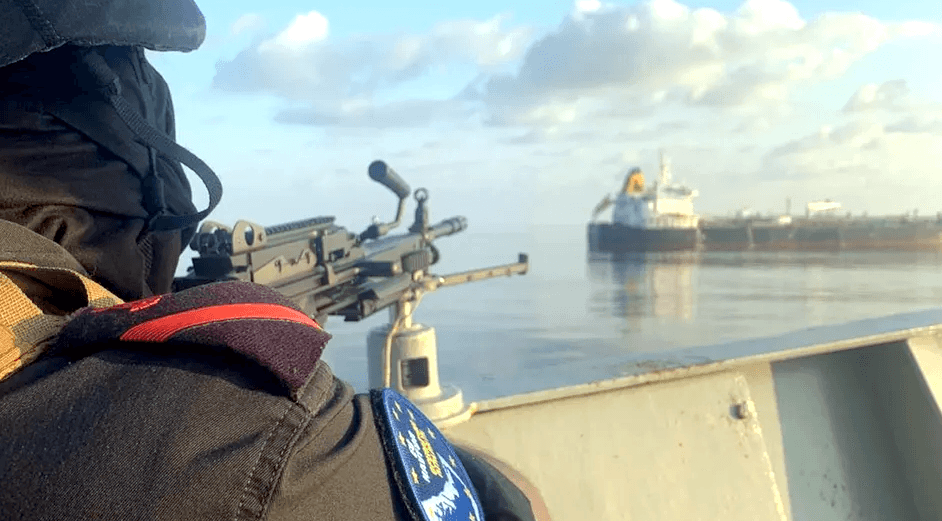
A fresh wave of Somali piracy is spreading across the Gulf of Aden, raising new concerns for shipowners, tanker operators, and maritime security teams. Pirate groups have returned to a familiar tactic – hijacking local dhows and using them as floating bases to launch attacks farther offshore, The Maritime Telegraph reports.
One of the latest incidents involved the Emirati dhow Fahad-4, seized by a Puntland-based group in late April. The vessel was later used as a mothership during operations against commercial traffic in the region
The dhow was reportedly linked to an approach on the Malta-flagged crude tanker Minerva Pisces on April 28. A pirate skiff closed in after the mothership maneuvered near the tanker’s bow, but the crew reacted quickly with evasive action and visible armed security, forcing the attackers to break off the approach.
The pirate group later abandoned Fahad-4 after failing to secure a successful hijacking at sea.
Meanwhile, several vessels remain under pirate control off Somalia. Authorities continue to monitor the situation surrounding the product tanker MV Honour 25, seized in April with 17 crew members onboard, and the cargo ship MV Sward, which also remains captive.
Pirates also captured the tanker MV Eureka near Yemen’s coast earlier this month. Tracking agencies believe the vessel is now heading toward Somali waters under pirate control.
In a separate case, another dhow traveling toward Kismayo was hijacked near southern Somalia on May 9. Operation Atalanta has deployed assets to investigate the incident and verify the crew’s status.
Security agencies say suspicious approaches against merchant vessels have increased in recent weeks across the Gulf of Aden. Armed guards onboard several ships prevented attempted boardings, while warning shots reportedly forced pirate skiffs to retreat in at least one encounter.
The Maritime Security Centre – Indian Ocean warns that pirate groups are now operating well beyond Somalia’s coastline, particularly along routes between Mogadishu and Hafun.
Picture: EU Navfor
Andriy B. (Master, 11 months at sea)
Everything and Always remains unchanged in this area for all ships of the International Merchant Fleet...