There are no comments on this post yet
Strait of Hormuz Shipping Crisis: 20,000 seafarers stranded
114
0
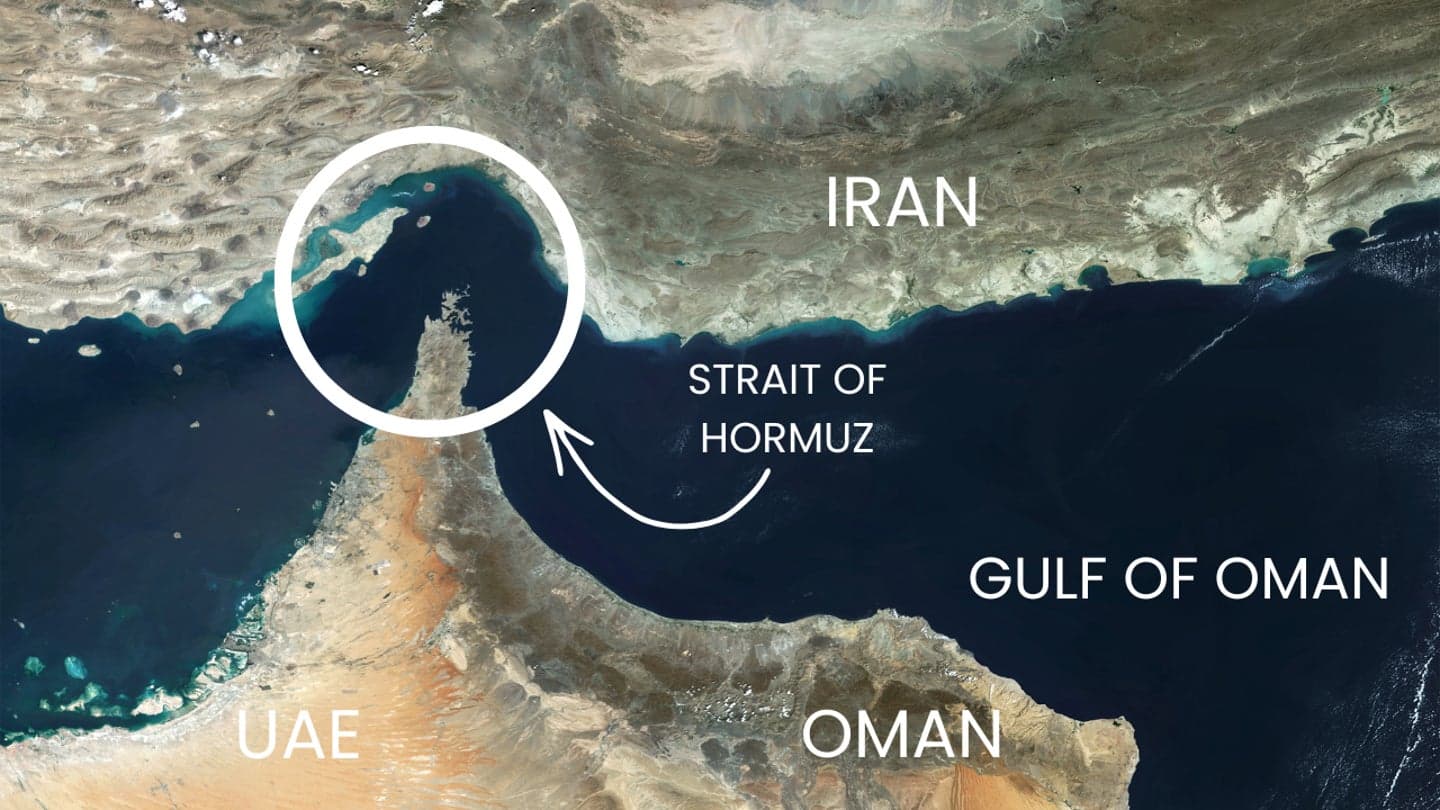
A major Strait of Hormuz shipping disruption has left about 3,200 vessels and nearly 20,000 seafarers stranded west of the waterway. Rising security threats across the Persian Gulf have forced shipowners to delay transit and hold position, creating a growing maritime safety crisis. The Maritime Telegraph reported about it.
The International Maritime Organization (IMO) will hold an emergency council session on March 18–19 in London to address the situation. Member states aim to assess risks in the Arabian Sea, Sea of Oman, and Persian Gulf, and coordinate urgent measures to protect global shipping.
The crisis began on 1 March 2026 after a series of attacks on merchant vessels. Four ships came under fire, leaving two seafarers and one port worker dead. Further incidents in the following weeks caused additional casualties and injuries, raising alarm across the industry.
As threats escalated, operators chose caution. Many vessels now wait outside the strait while companies review risks. The IMO reports thousands of ships remain in limbo, with crews confined onboard as uncertainty grows.
Security risks in the region include missile strikes, drone attacks, and explosive boats. This mix creates a highly unstable environment for commercial navigation and complicates decision-making for shipowners.
The IMO continues to work with governments, shipping companies, and unions to monitor the crisis and support affected crews. Industry discussions highlight the need for stronger communication, mental health support, and reliable resupply for ships stuck at sea.
The organization also reminds operators to comply with SOLAS requirements and the ISPS Code. It urges companies to follow Best Management Practices (BMP) to reduce risks, including careful voyage planning and enhanced onboard security measures.
Picture: Reuters
0
0